
80/20 Running
Explains polarized training with clear intensity cues, sample plans, and tests to keep most miles truly easy.
Best for runners who overtrain on every run and want structure for sustainable progress across distances.
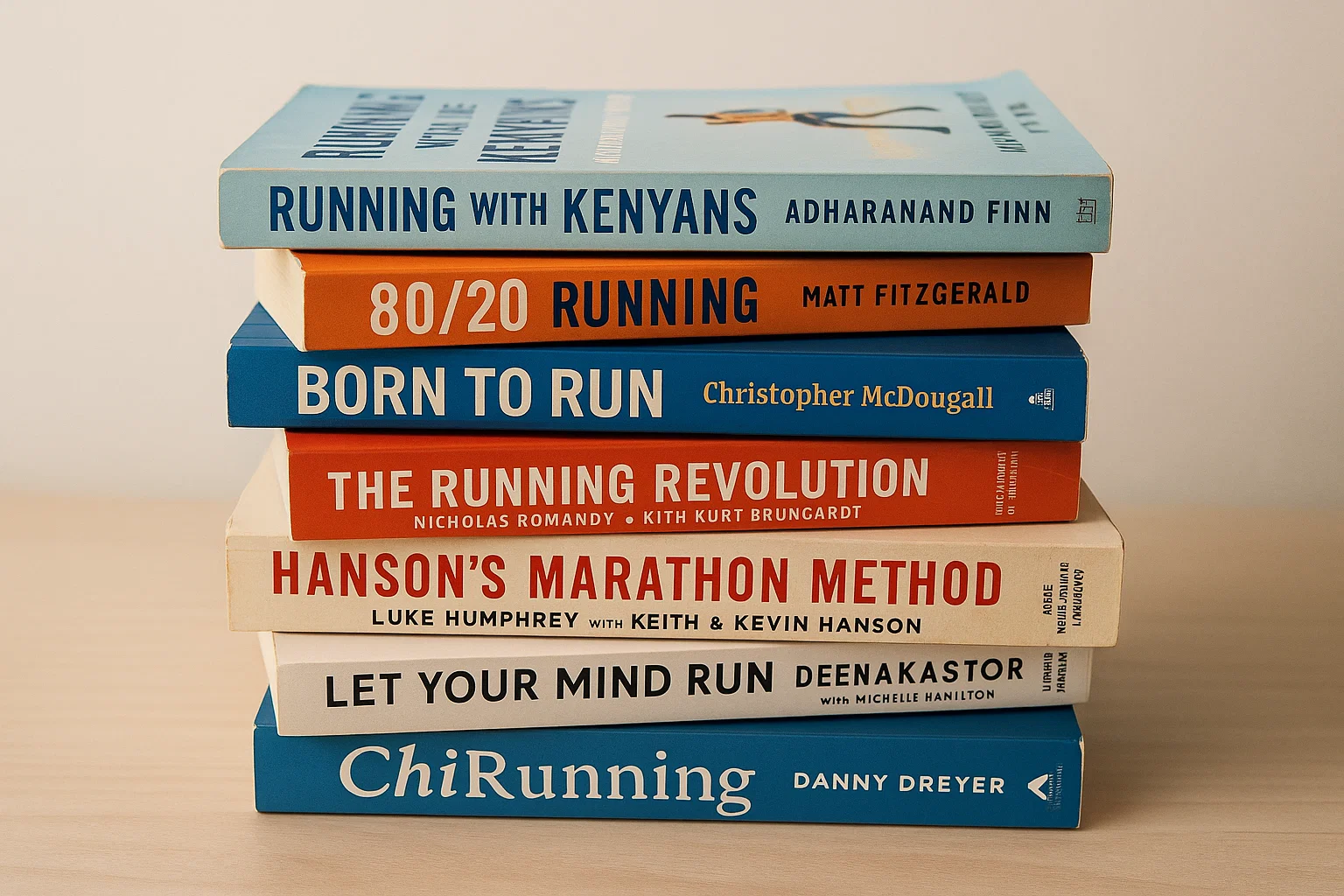
Recommended running books. Links open on Amazon Australia.
Explains polarized training with clear intensity cues, sample plans, and tests to keep most miles truly easy.
Best for runners who overtrain on every run and want structure for sustainable progress across distances.

Classic training manual anchored in VDOT tables, race-pace workouts, and periodized plans for every distance.
Ideal for detail-oriented runners who want to translate lab-tested paces into weekly structure.

Adventure narrative blending Tarahumara lore, minimalist experiments, and ultra-racing showdowns.
Great for readers who love story-first inspiration with takeaways on natural movement and community.
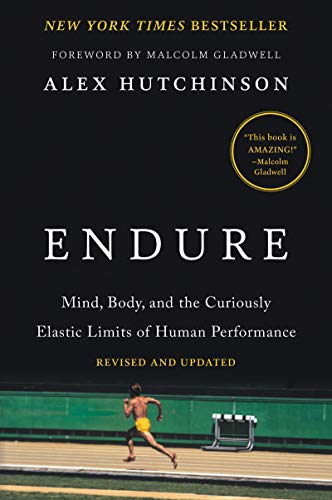
Science-backed tour of human endurance, explaining how the brain regulates effort and what truly limits performance.
Excellent for curious runners who want evidence-based insights on fatigue, pacing, and mental grit.
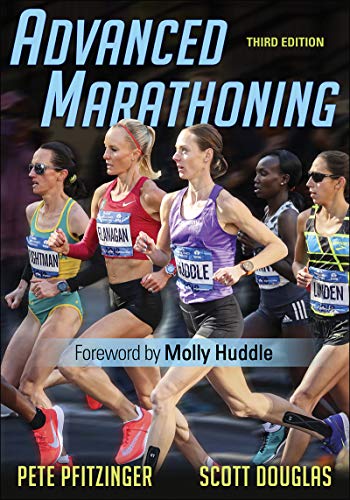
Pfitzinger’s hallmark marathon plans emphasize cumulative volume, marathon-pace long runs, and sensible recovery.
Suited to experienced racers chasing time goals who want structured mesocycles and fueling guidance.

Nutrition and training guidance tailored to women, covering fueling, hormones, recovery, and performance.
Ideal for female athletes who want science-based strategies that account for cycle-aware training.

Over 100 easy recipes, meal-prep ideas, and quick snacks designed to keep runners fueled without relying on processed foods.
Perfect for busy athletes looking for weekly menus, grocery lists, and recovery-friendly options.

Hal Higdon’s step-by-step playbook covers base building, tapering, race-day logistics, and common pitfalls.
Friendly for first-time marathoners who want straightforward schedules and reassurance from a veteran coach.

Outlines the FIRST approach of three targeted runs plus cross-training to deliver performance gains while limiting pounding.
Helpful for time-crunched runners who prefer intensity and cycling or rowing on non-run days.
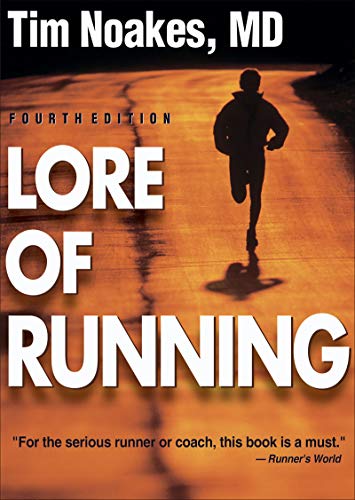
Massive reference covering physiology, injury science, nutrition, and training history with heavy data and citations.
Best for coaches and curious athletes who enjoy deep-dive explanations behind every guideline.

Technique-first guide blending posture, cadence, and mindful movement to reduce impact and improve efficiency.
Great for runners who battle repetitive injuries and want form drills they can practice immediately.

Dean Karnazes recounts sleep-deprived long runs, spur-of-the-moment challenges, and the mindset behind pushing past perceived limits.
For readers seeking a motivational memoir that shows the joy and absurdity of early ultra culture.

Immersive story of moving to Iten, training with local runners, and uncovering cultural habits that shape endurance success.
Ideal for readers curious about lifestyle factors—diet, community, altitude—that fuel world champions.

Cult classic novel capturing the grind, obsession, and camaraderie of collegiate milers chasing seconds.
Great for competitive runners who want fiction that mirrors the intensity of serious training.

Haruki Murakami’s reflective essays link the discipline of daily miles with the craft of writing and aging well.
For fans of quiet, introspective memoirs that pair creative life lessons with marathon training.

Olympian Deena Kastor shares how reframing self-talk, gratitude, and setbacks unlocked personal bests late in her career.
Perfect for runners seeking practical mental strategies to pair with physical training.

Coach Steve Magness translates physiology research into actionable workouts, strength guidance, and individualized adaptations.
Great for self-coached runners who like to question rules and build plans around their unique responses.

High-frequency marathon plans built around cumulative fatigue, strength intervals, and marathon-pace tempo runs.
Made for committed runners who can handle six days a week and want predictable week-by-week structure.